Senegal is one of the easiest and most rewarding introductions to West Africa for American travelers. It is stable, welcoming, visa-free, and full of history, music, and color. This Senegal travel guide walks through where to go, when to visit, and how to turn a Senegal trip into something even bigger by adding its desert neighbor to the north.
Why does Senegal belong on your 2027 itinerary?
Senegal is widely regarded as one of West Africa’s most stable and hospitable countries. The local idea of teranga, a deep cultural value of hospitality, is something visitors feel almost immediately. Dakar sits at the westernmost point of mainland Africa, which makes it one of the closest sub-Saharan capitals to the US East Coast. Add a vibrant food and music scene, Atlantic beaches, and several UNESCO World Heritage sites, and you have a destination that rewards both first-time and returning travelers.
That accessibility is more than geographic. Dakar greets you with salty air, the blare of car horns, and the smell of grilled fish drifting from roadside stalls, and the warmth people call teranga shows up in small ways: a shopkeeper’s unhurried greeting, or a stranger walking you to the right bus stop. Palace Travel has run trips across West Africa since 1991, and Senegal remains one of our most requested destinations year after year.
Dakar and Goree Island: where every Senegal trip begins
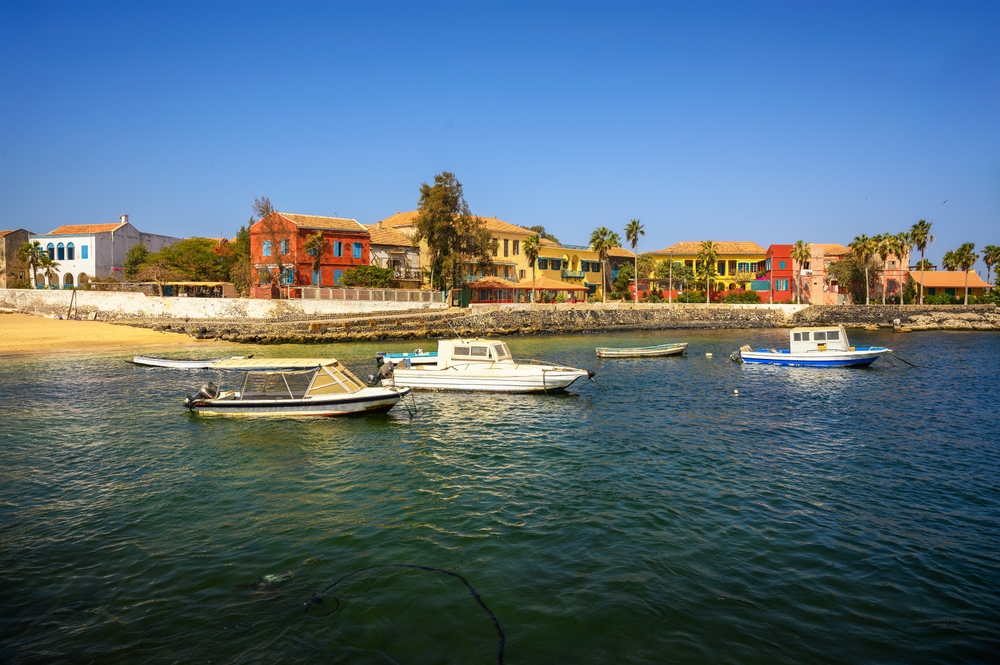
Most trips begin in Dakar. A short ferry ride from the city brings you to Goree Island, a UNESCO World Heritage site since 1978 and one of the most significant places in the story of the transatlantic slave trade. The House of Slaves and its Door of No Return are essential, sobering visits. Back on the mainland, the towering African Renaissance Monument and the museums and markets of the city are worth unhurried time.
The stalls of Sandaga Market are the place to feel the city’s commercial energy, piled with fabric, spices, and traders who expect a little friendly negotiation. Budget a full day for Dakar before you move on, because it rewards the time.
Is Saint-Louis worth the detour north of Dakar?
North of Dakar lies Saint-Louis, the former capital of French West Africa and a UNESCO World Heritage site. Built on a slim island where the Senegal River meets the Atlantic, it is a place of faded colonial facades, iron balconies, and a celebrated annual jazz festival. It is one of the most atmospheric towns in the region and a highlight of any Senegal travel guide worth the name.
The city’s musical roots run deep, from griot storytelling to the celebrated jazz festival, and many families here still mark a newborn’s naming day, the ngente, on the seventh day with prayers, drumming, and a shared meal.
Lac Rose: is the pink lake still pink in 2027?
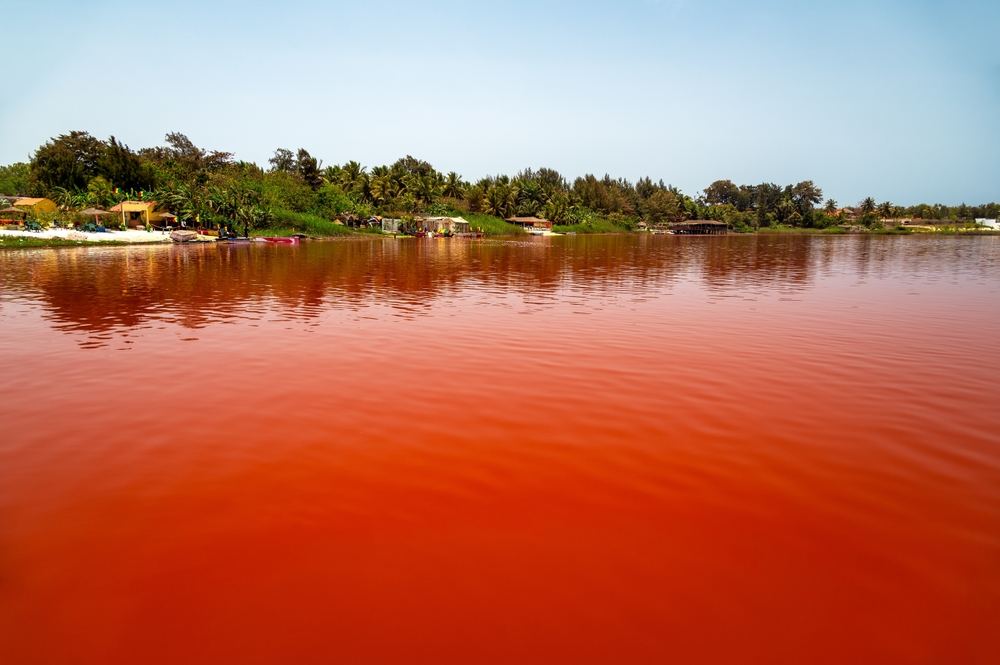
About an hour from Dakar is Lac Retba, better known as Lac Rose, a shallow, hypersaline lake famous for water that can turn a soft pink. The color comes from salt-loving algae, and the salt content is so high that you float effortlessly. One honest note worth setting expectations around: flooding in 2022 caused the lake to lose much of its color, and while it has regained some of its pink in recent years, the effect is seasonal and weather-dependent. It is usually strongest in the dry months, roughly January to March, and most vivid under midday sun. Even on a paler day, the salt flats and the harvesters at work make it a memorable stop.
Saly and the Petite Cote: Senegal’s beach reset
South of Dakar, the beaches of the Petite Cote are where many travelers slow down. Saly is the best-known resort stretch, an easy place to rest at the start or end of a trip. Nearby, the Bandia Reserve offers an accessible half-day safari with giraffes, rhinos, and antelope, a gentle introduction to African wildlife without a long journey.
What should you eat in Senegal?
Food is half the reason to come. Thieboudienne, the national dish, layers fish, rice, and vegetables in a rich tomato broth, and you will find a slightly different version on nearly every corner. Yassa poulet, chicken marinated in lemon and onions, is milder and just as memorable, and grilled fish straight off the coast needs little more than a squeeze of lime. Wash any of it down with bissap, a tart, ruby-red hibiscus drink served cold, or a small glass of thick, sweet Cafe Touba spiced with grains of selim. The best cooking rarely comes with a printed menu, so ask where locals actually eat and skip the places built only for tour buses. In Dakar, the finest thieboudienne is usually found down a side street, not on a hotel buffet.
How do you get around Senegal?
Dakar’s roads are busy, colorful, and confusing on a first visit. Yellow-and-black taxis are everywhere, and agreeing the fare before you climb in is standard practice for locals and visitors alike. For anything beyond the capital, a private driver makes the distances far easier to manage: Saint-Louis, Lac Rose, and Saly all sit a comfortable drive apart on decent roads, while the routes toward the Mauritanian border are slower and better tackled with someone who knows them. We build every Senegal itinerary around our own licensed drivers and vehicles, so you are never left bargaining on an unfamiliar roadside or wondering whether a car will actually turn up. It is a small thing that changes how the whole trip feels.
Why add Mauritania to your Senegal trip?
Just across the Senegal River to the north lies a completely different world. Mauritania is mostly Sahara, home to ancient caravan towns such as Chinguetti and Ouadane, where stone libraries still guard centuries-old manuscripts, and to a wild Atlantic coast that is one of the planet’s great gathering points for migratory birds.
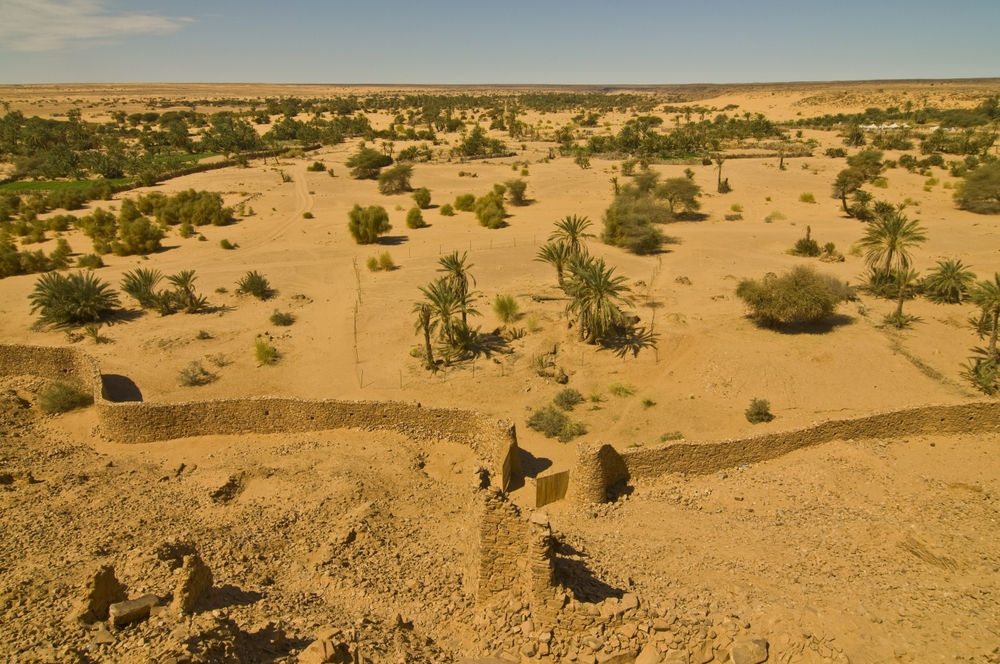
Travelers with extra time can combine the two countries into a single overland journey, crossing from the desert back down to the Senegalese coast. It is one of the most rewarding routes in the region, and we run it end to end with our own licensed offices, vehicles, and guides, so your experience is never outsourced to third parties.
When should you visit, and do you need a visa?
Senegal’s dry season, roughly November to May, is the most comfortable time to travel, with the pink lake at its best earlier in that window. A few essentials before you go:
- US citizens do not need a visa for Senegal for stays of up to ninety days.
- A yellow fever vaccination certificate is required, and is strictly checked on arrival.
- If you add Mauritania, you will need a Mauritania e-Visa arranged online before departure, plus the same yellow fever certificate.
- In all cases, carry a passport valid for at least six months.
Entry rules can change. We confirm current requirements with every booking, and you can also check travel.state.gov before you go.
What should you pack for Senegal?
Pack light, breathable layers for the coastal humidity, and add a warmer layer if you are continuing north into Mauritania, where desert nights turn genuinely cold. Sunscreen and a hat matter more than you would expect, especially around Lac Rose at midday when the light is fierce. A reusable water bottle is worth carrying, since bottled water is easy to find but plastic waste adds up quickly along the coast. Bring cash in small bills for markets, taxis, and tips, as cards are not always accepted once you leave the larger hotels in Dakar. Modest, comfortable clothing serves you well almost everywhere you will go.
Frequently asked questions about visiting Senegal
Do US citizens need a visa for Senegal?
No. US passport holders can enter Senegal visa-free for stays of up to ninety days. A yellow fever certificate is required.
Is Senegal safe for tourists?
Senegal is often described as one of West Africa’s most stable and welcoming countries. Normal travel precautions apply, and we recommend checking current advisories before any trip.
Is the pink lake still pink?
Partly. The lake lost much of its color after flooding in 2022 and has regained some of it since. The pink is seasonal and strongest in the dry months, so it is best treated as a wonderful possibility rather than a guarantee.
What is the best time to visit Senegal?
The dry season from about November to May is ideal, offering comfortable temperatures and the best chance of seeing Lac Rose at its most colorful.
Can I combine Senegal with another country?
Yes. The most striking pairing is an overland journey into Mauritania to the north. The Gambia, surrounded by Senegal, is another natural add-on.
Start planning your Senegal trip
Palace Travel has been an Africa travel specialist since 1991. To begin shaping your trip, explore our Senegal tours, or get in touch to design a custom itinerary, with or without the Mauritania extension.