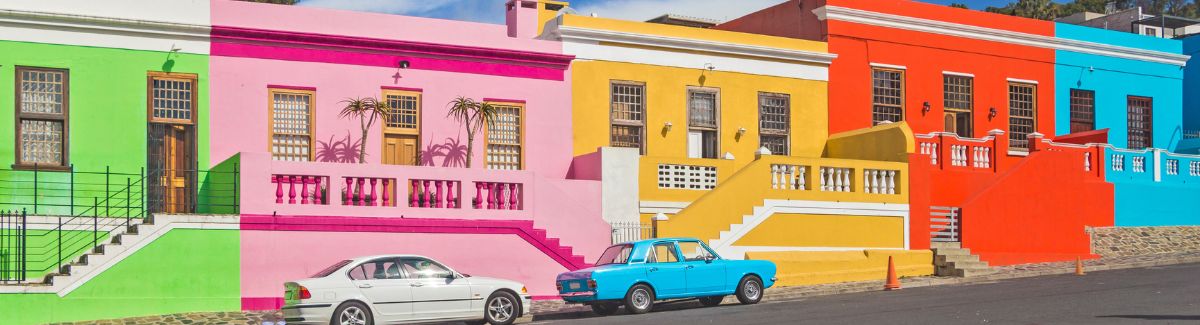
Cape Town’s Bo-Kaap neighborhood is a kaleidoscope of color and culture, nestled on the slopes of Signal Hill. This historic area, known for its brightly painted houses and cobblestone streets, offers something more than picturesque scenery. It is a hub of creativity and heritage, a place where history is etched into every corner, and art bursts forth from walls and doorways.
For those seeking an authentic cultural immersion, the vibrant street art and galleries of Cape Town’s Bo-Kaap provide a compelling window into the soul of the city. This neighborhood tells a story of resilience, freedom, and artistic expression, making it an essential stop for any traveler to South Africa.
The Cultural Heart of Bo-Kaap
Bo-Kaap’s identity is deeply rooted in its unique history. Originally known as the Malay Quarter, the area was settled in the 1760s by enslaved people brought from Malaysia, Indonesia, and other parts of Africa and Asia.
These communities, known as Cape Malays, brought with them a rich blend of traditions, cuisines, and their Islamic faith, which remains a cornerstone of the community today. The oldest mosque in South Africa, the Auwal Mosque, established in 1794, stands as a testament to this enduring legacy.
The famous colorful houses have a story of their own. Under Dutch and British colonial rule, the leased houses in this area were required to be kept white. When the formerly enslaved were finally allowed to buy their properties, they painted them in brilliant colors as an expression of individuality.
This act of defiance and celebration transformed the neighborhood into the visual spectacle it is today. Walking through Bo-Kaap means walking through a living museum, where the architecture and vivid hues narrate a powerful history of a community that has preserved its culture against all odds.
Street Art: A Living Canvas
Beyond the famous colorful houses, Bo-Kaap’s walls have become a dynamic canvas for local and international street artists. The murals here are not random graffiti; they are thoughtful works of art that often carry deep social and political messages. These pieces comment on contemporary issues facing the community, such as gentrification and heritage preservation.
Wandering through the streets, you will encounter a diverse range of styles, from large-scale realistic portraits to abstract designs and powerful text-based works. Artists use these public spaces to engage in a dialogue with residents and visitors alike.
The art is constantly evolving, with new pieces appearing regularly, making every visit a unique experience. These murals add another layer to Bo-Kaap’s visual identity, transforming the entire neighborhood into an open-air gallery. They serve as a powerful reminder that art can be a potent tool for storytelling.
Galleries Showcasing Local Talent
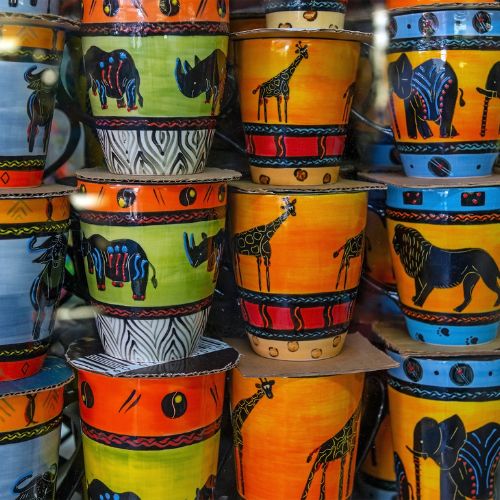
While the streets themselves are a gallery, Bo-Kaap and its surrounding areas are also home to several formal art galleries that champion local talent. These spaces provide a platform for emerging and established artists from Cape Town and across the continent to share their work with a wider audience.
One notable gallery is the Bo-Kaap Museum, which is a part of the Iziko South African Museum. Housed in one of the oldest buildings in the area, it offers insights into the neighborhood’s origins and the cultural contributions of the Cape Muslim community.
In addition to the museum, smaller, independent galleries and artist studios are dotted throughout the area. These venues often feature contemporary art that explores themes that echo the conversations happening on the streets.
Visiting these galleries offers a more intimate and curated look at the creative pulse of Cape Town. It’s an opportunity to support the local arts ecosystem directly and perhaps even purchase a unique piece of art that encapsulates the spirit of the region. These spaces complement the street art by providing a different context for appreciating the depth and diversity of South Africa’s artistic landscape.
Immersive Experiences for Travelers
To truly appreciate Bo-Kaap, visitors should engage in experiences that go beyond sightseeing. Guided walking tours are highly recommended, as local guides can share personal stories that bring the neighborhood to life. These tours often focus on specific themes, such as the unique Cape Malay cuisine.
For a hands-on cultural experience, consider a Cape Malay cooking class. These classes are often hosted in the homes of local residents, offering a genuine glimpse into their daily lives and culinary traditions. You can learn to prepare iconic dishes like bobotie, samosas, and koesisters while hearing stories passed down through generations.
An immersive experience like this is a wonderful way to connect with the community on a personal level and understand the culture through its flavors. Combining an art walk with a cooking class creates a multi-sensory journey that provides a holistic understanding of why Bo-Kaap is the way it is today.
Why You or Travel Agents Should Include Bo-Kaap in Packages
For travel agents crafting unforgettable itineraries, and for individuals planning their own trips, Bo-Kaap is an unmissable destination. Its inclusion adds a layer of authenticity that modern travelers increasingly seek.
This neighborhood offers a powerful counter-narrative to the standard safari or wine tour, showcasing the nation’s urban, multicultural heart. For those looking at South Africa tour packages, adding a Bo-Kaap experience enriches the entire journey by providing a more complete picture of the country’s complexity and vibrancy.
Bo-Kaap appeals to a wide range of travelers, from art lovers and history buffs to foodies and those simply seeking beautiful, meaningful experiences. By including this location in your offerings, you provide clients with a memorable and educational experience that highlights the importance of cultural preservation and community fortitude. It is a destination that resonates deeply with visitors long after they have left.
When visiting, it is important to be respectful of the residents. Bo-Kaap is a living, breathing residential neighborhood, not just a tourist attraction. Be mindful when taking photos, avoid trespassing on private property, and dress modestly, especially if you plan to visit a mosque.
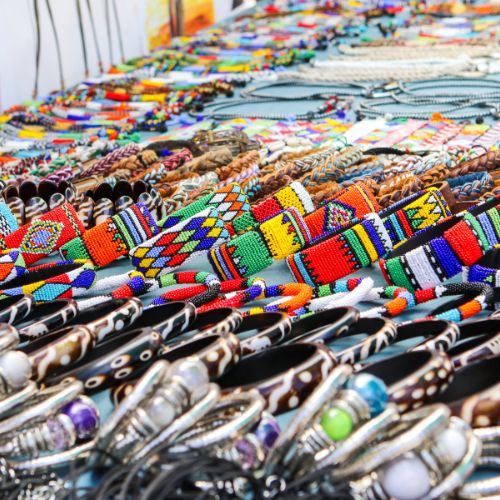
Supporting local businesses, from small cafes to craft shops, is a great way to contribute positively to the community. By approaching your visit with curiosity and respect, you will have a much richer and more rewarding experience exploring the vibrant street art and galleries of Cape Town’s Bo-Kaap.
Let Palace Travel design an unforgettable South Africa tour for your clients. With our expertise in African travel, we’ll craft personalized itineraries that showcase the best of the continent. Partner with us to deliver exceptional experiences that your clients will cherish. Contact Palace Travel today to elevate your offerings!