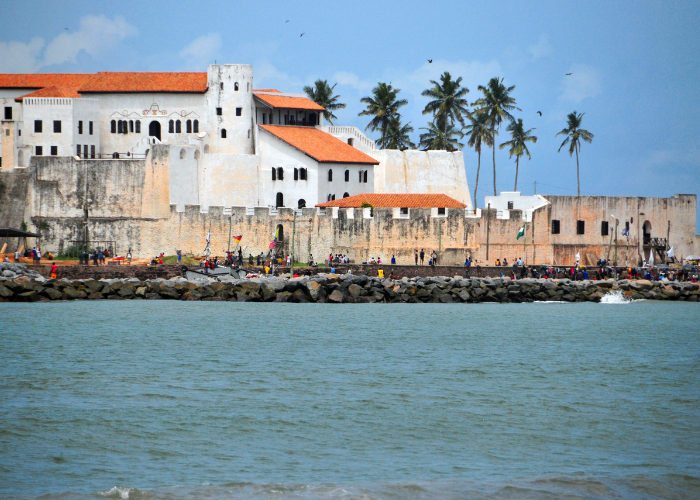
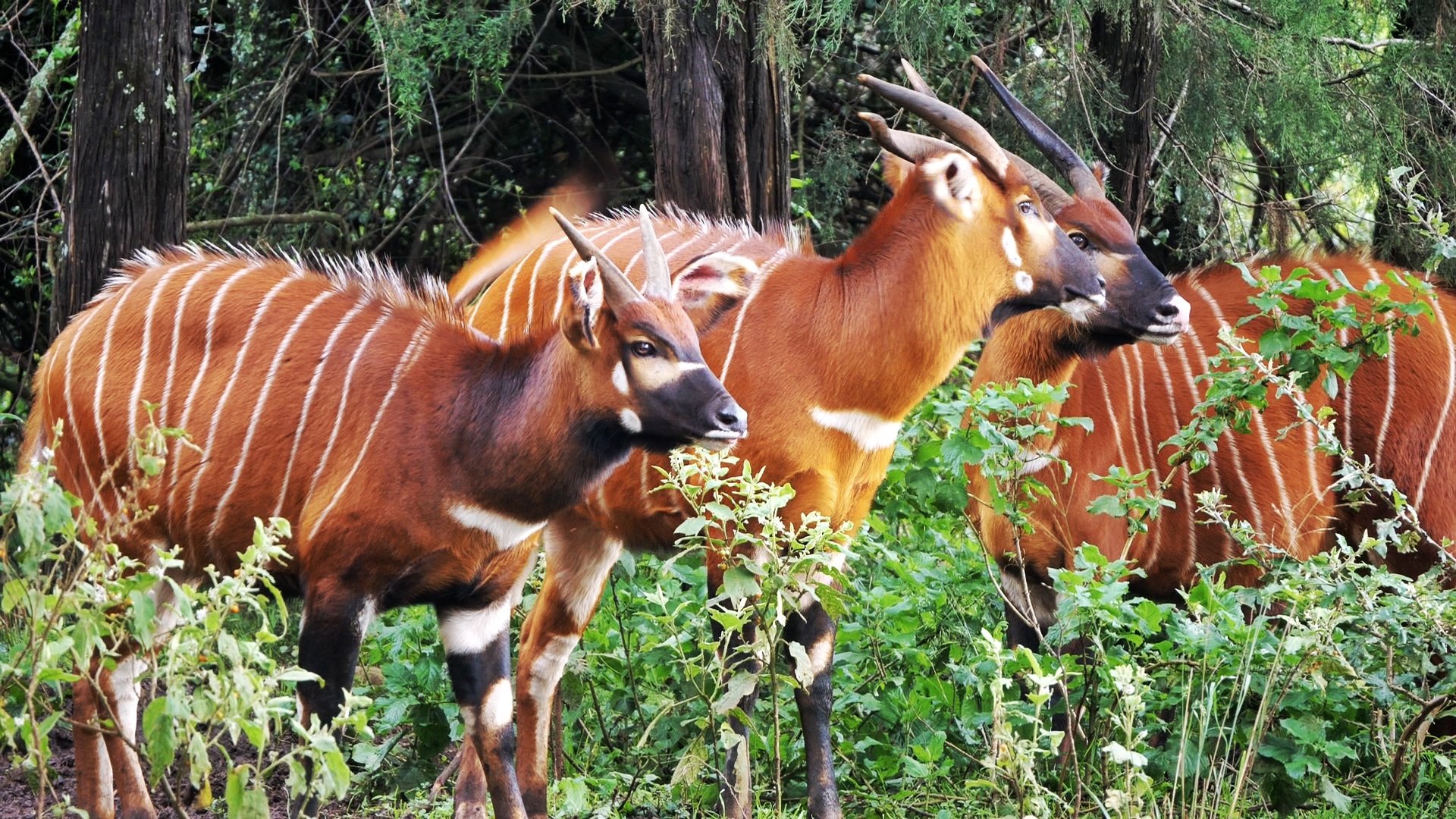
The Aberdare Mountain Ranges, spreading across 5 counties in Kenya, is one of Africa’s greatest undiscovered and pristine highland destinations. Cool mist, ancient forests, majestic peaks, endless rolling V-shaped valleys, and thundering waterfalls. The very hard-to-see rare bongo forest antelope, elusive leopard and highly endangered black rhinos await travelers willing to step off the standard savannah safari circuit and into the forestry moorlands. Have a feel and claim a share of this same location where Queen Elizabeth II ascended to the United Kingdom Throne as Queen in 1952. This guide covers 10 things every traveler and group planner needs to know before visiting this wonder in 2026.
Why Does Kenya Have More Than One Story to Tell?
You already know the Kenya of the big screen. The Maasai Mara wake-up call of the Lion King at dawn, the hyena’s special comical laughter, wildebeest kicking dust across a golden plain, a leopard draped across an acacia branch or even the giant African elephant swirling its African continent-shaped ears to cool down in the heat of the day. That Kenya is real and it is extraordinary. But this is just one chapter.
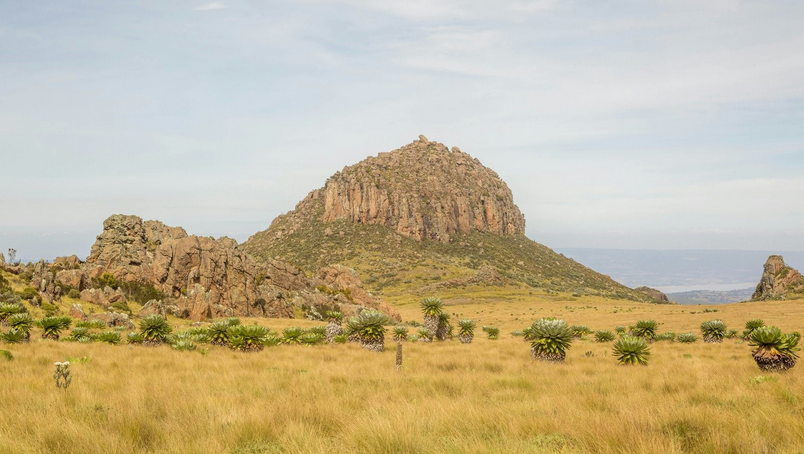
The Aberdare Mountains are a different chapter entirely. They sit north of Nairobi, forming part of the eastern rim of the Great Rift Valley, and rise to more than 13,000 feet at their highest point, Mount Ol Donyo Lesatima. The air here is cool, crisp, and sometimes cold. The forest is dense, layered, and alive with rhythmic sounds of nature. The landscape feels nothing like the savannah below.
Palace Travel has been designing East Africa travel itineraries since 1991. From our wholly owned offices across the continent, our teams have watched the Aberdare get quietly passed over by travelers who assume Kenya begins and ends at the Mara. It doesn’t. Not even close.
Here are 10 things that will change the way you think about a Kenya highland journey.
What Makes the Aberdare Mountains Different from a Standard Kenya Safari?
The contrast is immediate and physical. You drive up from the lowlands and the air changes. The temperature is dropping. The vegetation is thickened. By the time you reach the forest edge, you’re in a different country climatically, even though you’re still in Kenya.
On the open savanna, you scan wide distances for animals. In the Aberdare, the wildlife finds you. Black rhinos move through thick undergrowth. Elephants appear on forest trails without warning. The bongo antelope, one of Africa’s most beautiful and elusive forest antelopes, is found here in a population that barely exists anywhere else on the continent. Highly nocturnal wildlife like giant forest hog, blue duiker, spotted genets and African wildcats call this their home.
It’s not better or worse than the Mara. It’s genuinely different, a valuable addition to the classic experiences featured in our Kenya safari tours. And for travelers who’ve done Kenya twice before, or for group planners building a circuit that stands out, that difference is the entire point.
The 10 Things Every Traveler Should Know Before Visiting the Aberdare
1. The Altitude Will Surprise You
Mount Ol Donyo Lesatima tops out at 13,120 feet, followed by Mount Kinangop around here at 12,815 feet. Even the lower moorlands sit well above 10,000 feet. If your clients are coming from sea level, build in a half-day of acclimatization. The cold, the thin air, and the sudden physical shift from the Nairobi heat catch first-timers off guard. Pack layers. Real ones.
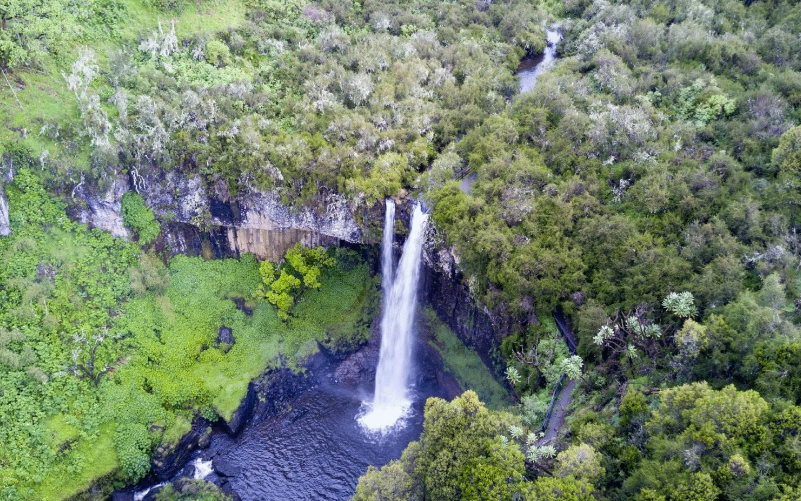
2. Karuru Falls Is One of Kenya’s Most Dramatic Sights
Most travelers have never heard of Karuru Falls. That’s the point. It is a high-altitude waterfall dropping more than 273 meters in three cascading tiers down a rocky escarpment, and the roar of it builds from the trail long before you see it. The mist hits you first, cold and clean, and then the full wall of white water comes into view.
It’s one of the most cinematic landscapes in East Africa, and it gets a fraction of the visitor traffic of Victoria Falls or Murchison. Add it to every Aberdare itinerary without hesitation.
It is well complemented by the neighboring and equally thunderous three waterfalls of Gura, Chania and Magura, to complete the majestic experience within the Aberdare Ranges.
3. The Tree Lodges Are a Genuine Travel Experience
The Ark Lodge and Treetops Lodge are two of Kenya’s most iconic properties and they operate completely differently from a standard safari lodge. Both are built directly over floodlit waterholes with rooftop terraces. You don’t go out looking for animals at night. You sit on the viewing deck with a drink, and the animals walk up to the water below you.
Elephants, hyenas, giant forest hogs, and bushbucks arrive below the saltlick waterholes throughout the night under floodlit and starlit African skies. The atmosphere is quiet, intimate, and genuinely electric. Groups love it because the deck becomes a shared experience rather than an individual one.
Might we add that Treetops Lodge has a long history with the British Monarchy.
4. Birdwatching Here Is World-Class (Ornithologists’ Paradise)
The Aberdare hosts over 300 recorded bird species. Jackson’s francolin, the Aberdare cisticola, and several sunbird species are found here and almost nowhere else. Ornithology-focused groups consistently rank the Aberdare among Kenya’s five most rewarding birding destinations, alongside Lake Nakuru, Lake Naivasha, Kakamega Forest and Lake Baringo.
For wildlife photographers or birders, this is not a side note. It’s a headline.
5. The Bamboo Forest Trails Are Unlike Anything in East Africa
Dense bamboo groves cover significant sections of the Aberdare slopes. Walking through them with a guide feels disorienting in the best possible way. The light comes through in narrow shafts. The ground is springy and wet. You hear rustling in the bamboo that you can’t immediately place. It’s an immersive, ground-level wilderness experience that no game vehicle can replicate.
6. The Kikuyu Connection Runs Deep (Abode of the Gods – Ngai)
The Aberdare Mountains, known as Nyandarua – the drying cowhide, in the local Kikuyu dialect, are sacred grounds with their folklore suggesting that this was their God’s residence. The Kikuyu community’s spiritual traditions, oral history, and agricultural identity are inseparable from these forests and ridges. The mountains provided refuge and resources for generations, and their cultural significance goes far beyond scenery.
Historically, this is also the epicenter of the Guerrilla movements in pre-independence Kenya against colonialism, the caves where Kenyan freedom fighters used as hideouts against the British soldiers, and the home of a very old historical fig tree known in the local Kikuyu dialect as Mugumo that was used as a traditional post office where the local fighter movements could pass messages undetected.
Palace Travel works with trusted Kikuyu cultural guides who introduce travelers to the authentic living traditions plus the history of this landscape. These are not staged cultural/historical displays. They’re genuine conversations with people whose grandparents’ stories involve these mountains directly.
7. The Climate Is a Feature, not a Complication
The Aberdare mountains are cool, sometimes cold, and often misty. The highland environment makes it one of the most physically comfortable places to be in equatorial East Africa. The air is clean, sharp, and smells of cedar and wet earth. For travelers arriving from hot, dusty savanna parks, that first deep breath of Aberdare Forest air lands like a reset.
The rainy season (March through May and October through November) can limit trail access and reduce road quality on the mountain routes. Dry season from June through September and December through February gives the most reliable conditions for hiking and wildlife viewing.
8. The Aberdare Pair Perfectly with Kenya’s Famous Parks
Direct accessibility to Aberdare from Nairobi is not an issue; roughly 2.5 to 3 hours on good roads. Connecting an Aberdare safari with the other famous national parks in Kenya will be as follows (with each being roughly 5 hours apart equidistance.
The standard sequence that works: Nairobi arrival, then Amboseli (big elephants, Kilimanjaro backdrop), then Lake Naivasha (nature trails, hippo, birding, boat-ride and Crescent Island), then Maasai Mara (migration, big five wildlife, and classic savanna), then Lake Nakuru (over 450 bird species, rare Rothschild giraffe and black rhino), and finally Aberdare highlands (forest, waterfalls, tree lodge night) ending at Nairobi. That six-stop circuit gives clients six genuinely different ecosystems and experiences in one cohesive Kenya journey.
Shorter safari versions that still include Aberdare can be tailored by dropping off destinations that are unmanageably far apart in terms of driving distance.
9. Wildlife Density Can Exceed Expectations
The Aberdare National Park’s elephant population has grown steadily through sustained conservation management. Buffalo herds move through the forest in groups that dwarf what you’ll see in drier parks. And black rhino sightings, while never guaranteed, are more likely here than in most East African locations outside of Lewa and Ol Pejeta.
The difference from savanna game viewing: you’ll see fewer animals per hour, but each sighting carries more weight. When a black rhino emerges from the bamboo 30 meters in front of you, the fact that you didn’t see it coming is precisely what makes it extraordinary.
10. Plan for at Least Two Nights
One night at a tree lodge gives you the nocturnal waterhole experience. That’s worth it on its own. But the full Aberdare picture requires a second day: a forest walk, a waterfall hike, and time to sit with the landscape rather than rush through it. Two nights minimum. Three groups who want the cultural component included.
How Do You Build a Kenya Highlands Itinerary That Actually Works?
Here’s the structure that our East Africa team uses most often for the Aberdare-inclusive circuit:
- Day 1-2: Nairobi arrival. Giraffe Centre, Karen Blixen Museum, acclimatization Overnight at Nairobi Serena or Sarova Panafric Hotels.
- Day 3-4: Drive to Aberdare National Park. Lunch at the Base Hotel. Afternoon forest walk. Karuru Falls hike. Bamboo forest trail. Kikuyu Cultural Visit in the afternoon. Overnight at The Ark or Treetops Lodges.
- Day 5-6: Ol Pejeta Conservancy (rhino tracking capital, chimp sanctuary, Jane Goodall Institute, zebra and big-five wildlife) or Samburu National Reserve (special-five wildlife, arid zone wildlife, Ewaso Ngíro River, birdlife and authentic Samburu/Maa culture). Overnight at a lodge in Ol Pejeta/Samburu (as per choice of destination).
- Day 7-8: Lake Naivasha. Nature Trail, Boat-Ride, visit Crescent Island and Overnight. Overnight at Enashipai Resort or Naivasha Sopa Lodge.
- Day 9-11: Maasai Mara. Classic game drives. Wildlife Galore. Authentic Maasai Culture. Hot air balloon option for the right groups (at extra costs). Overnight at Mara Serena or Mara Sopa Lodge.
- Day 12: Back to Nairobi for Overnight at Nairobi Serena or Sarova Panafric Hotel.
- Day 13: Nairobi departure.
This 13-day circuit covers Highlands, Savanna, Tree Hotel Experience, Rift Valley Lake and a Conservancy Success Story, giving clients a Kenya that holds together as a complete narrative rather than a series of disconnected game drives.
Shorter safari versions that still include Aberdare can be tailored by dropping off destinations that are unmanageably far apart in terms of driving distance.
Why Does the Africa Generalist Approach Matter for a Highland Journey Like This?
The Aberdare is not a destination that benefits from a generic tour operator relationship. Road conditions vary. Specific trailheads require local guide licensing. The tree lodges have limited beds, and popular departure windows book up 3-4 months ahead for peak season.
Palace Travel has built direct supplier relationships across Kenya since our founding in 1991. Our Nairobi-based team handles the logistics that remote operators guess at. When conditions change on the mountain, our ground contacts know before the travel advisors do. That’s the operational difference that makes a multi-stop Kenya circuit feel considered rather than cobbled together.
As a travel agency specializing in Africa, our portfolio runs from the Aberdare highlands to Rwandan gorilla trekking, South African wine country circuits, and the ancient medinas of Morocco. When a group planner needs a Kenya itinerary that stands alongside the best continental options, we bring the full picture.
Frequently Asked Questions: Kenya’s Aberdare Mountain Ranges in 2026
Do you need a visa to visit Kenya in 2026?
Yes. Kenya operates an Electronic Travel Authorization (ETA) system for most international visitors.
What is the best time of year to visit the Aberdare Mountains?
June through September is the driest and most trail-accessible window.
Are the Aberdare Mountains suitable for families and older travelers?
Yes, with planning.
How does a Kenya highlands/lowlands trip compare to a Tanzania safari in terms of cost and experience?
Tanzania’s Northern Circuit is typically 15-25% more expensive.
What else do you need when planning a trip to Kenya and/or a Tanzania safari?
- Yellow Fever Vaccine Certificate is a MUST, only if you are you are traveling from a country where Yellow Fever is pandemic.
- Malaria Prophylaxis is strongly recommended prior to your travel date (consult with your GP for further directions).
Ready to design a Kenya highland journey that goes beyond the expected?
Palace Travel’s East Africa team has been building Aberdare itineraries since 1991. Let’s build yours.
Plan Your Aberdare Kenya Journey with Palace Travel