800-683-7731

Francistown


The hotel has a fully serviced camping site with hot showers. Both the camping and caravan sites are supervised and secure, allowing you to enjoy your stay.

Gaborone


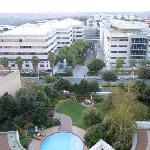
Sun International's luxury hotel and casino in Botswana is another glittering diamond source. The Gaborone Sun Hotel & Casino, located in the capital city of Gaborone, offers world travellers and business people a sophisticated conference and meeting place with the added advantage of a premium casino.

World travellers are drawn by the promise of high adventure, to a place that exposes all who visit the extremes of the African interior. Africa is the most alluring continent on earth and Botswana is the sorcerer.


Kalahari Game Reserve


Kasane


Maun


The lodge and its staff will ensure that a day in Maun is not a day wasted, rather one of the highlights of your safari holiday to Botswana. Motsentsela Tree Lodge gets its name from the local word for a birdplum tree. This magnificent wild fruit tree that shades the lodge deck under which our afternoon teas are served.


Okavango Delta


Safari Lodges & Safari Camps

The main deck is sculpted around giant trees, creating a dappled, cool atmosphere where meals and drinks are enjoyed. Dress at Abu Camp is casual but in keeping with our ethos of complete harmony with our surroundings, we recommend subdued, safari-hued clothing. A sweater is advisable for alfresco evenings in the camp and on night game viewing drives.

Activities Fly-In, Wildlife, Game Drives, Safari, Walking /Hiking, Fishing, Photography, Birding

Attractions Wildlife roams free here across diverse landscape, abundant in numbers and unique in form, they are conserved and are protected by your very visit. An area of great beauty, desert and water, plains and savannah, perennial rivers and the maze of the mighty Okavango Delta .


Attractions The water wilderness of the Okavango Delta is rich in bird and wildlife species. The elusive Sitatunga Antelope has found its niche in the wetland ecosystem, birds such as the African Fish Eagle, Pel`s Fishing Owl and many others are magnificent in their spectacular display - for the ornithologist a bird paradise.

Attractions Moremi is known for its abundant wildlife which roams free across the diverse landscape. This includes a huge number of mammals and all the large predators. The exciting trip to the upper delta in a motorboat will give you the opportunity to view the abundant birdlife, Hippos, Crocodiles and various small water animals.

Attractions Chief's Camp lies 19 km from Mombo Camp, an area renowned for its abundance of wildlife - ensuring plenty of excellent game-viewing opportunities. The area is particularly well known for its large concentrations of elephant, hippo, buffalo, lion, leopard, cheetah and Painted Wild Dog, to name but a few.

The Chief's Island region is unique in that large numbers of plains-game and predators are found here throughout the year. One of Africa's most untamed and unexplored areas, this seasonal delta undergoes constant change. Lagoons, winding waterways, reedbeds, and mopani and acacia woodlands make up this rich landscape.


Attractions Chitabe has been operational since 1997, has developed an outstanding reputation and has the classic Okavango scenery. Elephant, Buffalo, Lion, Leopard, Cheetah and Wild Dog are among the major game attractions of the area. You could also see Zebra, Reedbuck, Red Lechwe, Sitatunga and Sable, Roan and Impala.

The variety of woodland habitats around Chitabe support good population of Buffalo and Elephant. A secluded hide in front of the camp offers you a relaxing spot to view the wildlife at your leisure.

A portion of the accommodation charges from each guest goes towards a wild dog conservation fund which Chitabe has established. Dr Tico McNutt began the wild dog research project in 1989, with a study area of about 3000 square kilometres. About 160 wild dogs in ten to twelve packs inhabit this region. Chitabe is part of this study area.


Attractions Chitabe Trails is strictly a game viewing camp ~ no water activities are offered here. We travel out into the field in the morning and afternoon, returning usually after dark where we can often spot the shyer nocturnal animals. The game drive is in the same area as Chitabe's guests, so the game viewing experience is identical.

Wildlife seen here includes Elephant, Buffalo, Lion, Leopard and Cheetah. Wild Dog are among the major game attractions of the area. Guests should also see Zebra, Reedbuck, Red Lechwe, Impala, and all the plains game. Night drives can be very rewarding, giving rare opportunities to view animals such as Pangolin, Civet Cat, Serval, Porcupine and Aardwolf.

A portion of the accommodation charges from each guest goes towards a wild dog conservation fund which Chitabe has established. Dr Tico McNutt began the wild dog research project in 1989, with a study area of about 3000 square kilometres. About 160 wild dogs in ten to twelve packs inhabit this region. Chitabe is part of this study area.


Attractions Chobe National Park covers a diversity of landscapes ranging from riverine forests to floodplains and periodic marshlands. The area is home to the largest concentration of elephants in Africa, as well as an abundance of hippo, buffalo, antelope and lion.

Botswana's land mass is slightly larger than that of France. The country spans the tropic of Capricorn. Classified as semi-arid, evaporation exceeds rainfall monthly. Rainy season starts in late December and lasts through February. The average rainfall in Chobe is 600mm.

Botswana's local population is estimated at 1.4 million. 70% of the land is covered by Kalahari Sands. Chobe National Park stretches 11,700km's. The country's estimated elephant population is +- 50 000. The Chobe River flows into the Zambezi River, both are known for their excellent fishing with more than 90 species of fish in the waters.

Commonly sought after are the Tiger Fish and other fresh water fish. The Chobe River area is one of the few areas in Botswana where the Puka Antelope is found. There are over 400 bird species found in the Chobe National Park , among them the African Skinner, kingfishers, numerous storks and bee-eaters.


Attractions The wildlife roams in profusion and diversity. The elephant population, estimated to number in excess of 35 000, is the largest single concentration in Africa surviving within the confines of a proclaimed National Park .

During the harsh dry season, the herds migrate south to north and congregate along the perennial Chobe River and fertile floodplains. The sight is spectacular and unforgettable - red winter sunsets, elephant, buffalo in their thousands. The quality of timeless Africa is real and very strong and the vistas are of an era almost bygone in time. Other major species such as lion, square-lipped rhino, wild dog, sable and roan antelope are encountered in this area.


Attractions Chobe Savanna Lodge peers west out across the vast Puku flats. The lounge, library, cocktail bar and dining room are situated in the imposing main building, made from exquisite thatch and timber balustrades, which command superb views over the Chobe River and beyond. Furniture, sourced from as far as Asia and the Americas, blends with the African inspired interiors creating a feel in tune with the savannah environment.

Attractions The fossil valley was first brought to the world's attention in 1985, by the book Cry of the Kalahari written by Mark and Delia Owens, who lived on the pan for seven years studying the brown hyena that live here. The Kalahari is not a true desert though, but rather an arid savanna wilderness - its broad largely featureless plains are clad by sweet grasses and by patches of camelthorn, blackthorn and other acacias.

These great forbidding places also manage to sustain their wildlife populations, a surprisingly rich diversity of animals - among them springbok and gemsbok, blue wildebeest, eland, red hartebeest - that are superbly adapeted to the bone-dry conditions. Many of them extract water from such unlikely sources as the dew-covered nighttime plants, from the deep roots of succulents or the moisture-laden wild cucumber and tsamma melon.

Others - carnivores such as lion, leopard, hyena and wild dog - slake their thirst on the blood of their prey. The Kalahari also has its indigenous human presence; it is home to the last of the "traditional" Bushman communities, descendants of the once-dominant semi-nomadic hunter-gatherer inhabitants of the thirstlands.


Attractions The Okavango Delta is a shifting web of crystal clear channels, lagoons, sweeping floodplains and palm studded islands. Home to over 450 bird and 1 000 plant species, Crocodiles, Hippos, Elephants, Buffaloes - in fact the full spectrum of Africa's big game and several species of antelope that are amongst the world's rarest, occur here - the Okavango has earned its reputation as one of the world's premier wilderness areas.

Attractions The wildlife of Duba Plains depends on the water levels in the area. The large herds of Buffalo and Sable are the Lion`s main prey. Lechwe dot the savannah and Elephants feed on the islands. Hippo concentrate in the deeper channels, when the waters are up and Leopards are found around the islands. Most of the Delta`s birds are found in the area as well.

Attractions The Savuti area is famous for its Lions which have been documented in National Geographic films, one which is the most exciting being the Joubert's "Eternal Enemies" which depicts the conflicts between Lion and Hyena. Elephant are one of the area's biggest attractions along with the Red Lechwe, Zebra, Wildbeest, Impala, Waterbuck, Sable, Roan, Warthog, Crocodile and Buffalo.

Then there are the predators - Lion, Leopard, Cheetah, Wild Dog and Hyena and the nocturnal animals - Bushbabies, Springhare, Aardwodlf, Serval, Genet, Pangolin and the smaller predators. Birding is also great here - from the Okavango"specials" such as Slaty, Egret, White Rumped Babblers and Wattled Cranes, to the bushveld species.


Attractions The mixed marginal floodplain woodland of Xaxaba and the surrounding semi-permanent flood plains are primarily home to Cape Buffalo, Bushbuck, Red Lechwe, Sitatunga and baboon. This does not however mean that other species do not occur in this area, for at certain times of the year it is not uncommon to have an elephant outside your tent. The area is also famous for its bird and life, and many other large mammals and predators.

Attractions Their camp highlights the intimate connection between the Bukakhwefs cultural heritage and the surrounding natural environment. Guests will experience the traditional lifestyle of the Bukakhwe through authentic activities offered during their stay, including dancing, storytelling and bush walks.

Gudigwa Camp has been developed by the Bukakhwe Cultural Conservation Trust, a trust that represents all the people of Gudigwa Village. Gudgiwa Camp has a marketing partnerhsip with Wilderness Safaris. Conservation International, an environmental NGO, helped develop the Gudigwa Camp project together with the community and Wilderness Safaris.

As the largest remaining Bushman village in Botswana, the Gudigwa people are proud to be promoting this cross-cultural exchange with guests while reviving their traditional way of life.


Attractions The Okavango Delta has a myriad channels and lagoons to explore, a delight for avid photographers and wildlife enthusiasts to view the abundance of game and birdlife in the area.

Attractions The camp is set in one of the most densely populated wetland areas for Sitatunga and Red Lechwe. Game concentrations all depend on the flow of the water. All the big game is here ~ elephant, lion, leopard, buffalo. Pels fishing owl, slaty egret and wattled crane are favourites amongst birders, as well as the greater and lesser Jacanas.

Attractions The Makgadigadi is one of the most important wetland sites remaining in Africa. In the wet season, the Makgadigadi Pans fill with water which attracts huge flocks of Flamingos and other wading birds .

The area is also the only place in Southern Africa where one is often able to see migration herds of tens of thousands of Wildebeest and Zebra, followed by predators. Although the migrations do occur in other areas of Botswana, the tree cover prohibits a view of the magnitude that you are able to see at Jack's camp because of the exposed nature of the surrounding grassland.


Attractions Hippo, Elephant and other big game animals can be seen from the lodge and grounds, all other species that occur in this area can be spotted and observed during the game drives and guided game walks. Birdwatching is excellent - a paradise for any professional or amateur ornithologist.

Attractions Most of the area is characterised by open grassland, riverine forest, mixed terminalia and mopane savannas. The area is most noted for its very large elephant populations, which can reach enormous densities in the winter months.

Impala, Lechwe, Kudu, Zebra, Giraffe, Sitatunga. Sable, Roan, Waterbuck, Buffalo, Bushbuck and the smaller antelope are all found here. The major predators such as Lion, Leopard, Cheetah, Wild Dog and Hyena are resident and regularly sighted. The reed and papyrus swamps are ideal for numerous and diverse species of birds , ranging from the Fish Eagle to waterfowl, Stilts, Storks, Plovers and Herons.

One of the camp's highlights are the wildlife sounds: very few camps in Africa are noisier! The pre~dawn chorus of bird song starts off the morning. Hippos grunt and snort all day, Baboons bark and screech, Elephants wander through camp and trumpet, and Lions often roar around the camp at night!


Attractions Based on the mainland, Kwara is able to offer more frequent sightings of Sable, Buffalo and Waterbuck which tend to migrate between the better grazing in-land, to the waterline. This different environment offers exciting and adventurous alternatives to normal programmes.

Attractions Hippo, Sitatunga antelope and Crocodile reside in the deeper permanent lily~filled lagoons of the area. Lion, Leopard, Wild Dog, Cheetah, Tsessebe and Lechwe are among the major game attractions at Kwetsani. Nocturnal animals such as Porcupine, Aardwolf, Serval, Genet and Bushbaby can be observed on the night drives (water levels permitting).

The island is heavily wooded with palm, mangosteen and fig trees. The water levels around the island change each year, depending on the magnitude of the annual floods from central Africa. The water levels at Kwetsani are at their highest from April or May to September each year.


The shady, treed environment of the camp hosts a great variety of birds and squirrels that visit daily. A family of hippo and an elephant or three are regularly sighted from the tents. This contributes to the relaxed calm that prevails at Lagoon. The predators are also well represented by lion, hyena, leopard, cheetah and wild dog.

Lagoon is famous as the best venue in Africa for wild dog viewing as the dogs have denned near the camp every year of the camps existence. These animals are generally very relaxed in the presence of vehicles, meaning the sightings are usually at close range and many guests have seen amazing action as these pics attest.

Among the great variety of antelope species found at Lagoon, the endangered Sable and Roan are often seen. Seasonally, large herds of elephant drink almost daily at the river bank in front of the camp, in full view of the guests. The big herds attract big predators.

The lions of Kwando are famous for their elephant, hippo and buffalo kills. Playful spotted necked otters are commonly seen performing in the Lagoon right in front of the tents.


Attractions Lebala means wide open spaces in Setswana and the scenery is dominated by vast plains with scattered palms and tree clumps backed by wooded savannas. The perennial and southerly flowing Kwando river disappears into the vast marshes before emerging as the Linyanti river, flowing in a north easterly direction. The triangle formed in Namibia by this direction change is home to the Mamili National Park.

Attractions Large concentrations of wildlife occur right in front of the new camp. It is not impossible to see up to twelve different mammal species from the comfort of your veranda! Giant umbrella thorns and Ilala palms dot the expansive plains to create a magnificent savannah landscape alongside the marshes and floodplains of the Delta.

As a year~round exclusive wildlife destination (especially for predators), Mombo has a record unequalled in Africa. This area provides one of the highest quality wildlife viewing opportunities on earth. Many of the Cheetah photos reproduced in National Geographic's December 1999 issue and the photos of wild dog in the May 1999 issue were taken here.

Mombo was rated as one of the top destinations of the 'Ultimate Safari' in the March 1999 issue of Conde Nast Traveler. Mombo also ranks as one of the best lodges in Southern Africa according to the July 2000 issue of Harpers and Queen. Elephant, Buffalo, Lion, Leopard, Cheetah and all the major predators are common in the region.

A large pack of Wild Dogs frequents the area around the camp and has been successful in raising many litters in recent years. The excellent game at Mombo has made this area Botswana's top wildlife documentary location. National Geographic, the BBC and many others have filmed here. Birdlife is prolific, with waterfowl and waders being particularly common.


Attractions Little Vumbura has both the wetland and savannah species of wildlife ~ Red Lechwe, Waterbuck, Hippos, Crocodiles, as well as Sable, Kudu, Wildebeest and Tsessebe, who roam the open plains. On game drives we often see more Sable than we do Impala. Herds of Buffalo and Elephant occur here, along with the predators ~ Lion, Leopard, Wild Dog and Cheetah.

Guests who enjoy their birding will love the combination of all the Okavango water "specials" with acacia and dry woodland species. Vumbura and Little Vumbura are part of the same community participation plan as Duba Plains. The aim is to bring the communities, who live around the Okavango Delta into the tourism mainstream. The villagers who live to the north of the Okavango have been granted the rights to this area, which allow them to derive direct benefits from the wildlife through significant concession fees, employment opportunities and training.


Large concentrations of wildlife occur right in front of the new camp. It is not impossible to see up to twelve different mammal species from the comfort of your veranda! Giant umbrella thorns and Ilala palms dot the expansive plains to create a magnificent savannah landscape alongside the marshes and floodplains of the Delta.

As a year~round exclusive wildlife destination (especially for predators), Mombo has a record unequalled in Africa. This area provides one of the highest quality wildlife viewing opportunities on earth. Many of the Cheetah photos reproduced in National Geographic's December 1999 issue and the photos of wild dog in the May 1999 issue were taken here. Mombo was rated as one of the top destinations of the 'Ultimate Safari' in the March 1999 issue of Conde Nast Traveler.

Mombo also ranks as one of the best lodges in Southern Africa according to the July 2000 issue of Harpers and Queen. Elephant, Buffalo, Lion, Leopard, Cheetah and all the major predators are common in the region. A large pack of Wild Dogs frequents the area around the camp and has been successful in raising many litters in recent years. The excellent game at Mombo has made this area Botswana's top wildlife documentary location. National Geographic, the BBC and many others have filmed here. Birdlife is prolific, with waterfowl and waders being particularly common.


Main lodge features dining area, bar, reception, curio shop, game viewing plateform and library.

The feature swimming pool is built amongst nateral rock formations, taking advantage of the African vista and providing a tranquil setting for guests to relax during the heat of the day.


Attractions San Camp is a complete desert experience focusing on species unique to the area such as gemsbok, brown hyena and springbok, as well as the geology, archaeology and anthropology of the Kalahari and Makgadikgadi.

Many of our guides are fully qualified Zoologists/Geologists, often working on PhD research. As such, they are most able to convey all the nuances of the desert and the adaptations of its inhabitants which we consider to be one of the most interesting features of the environment.

The Makgadikgadi is also one of the most important wetland sites remaining in Africa. In the wet season, the Makgadikgadi's Pans fill with water attracting flocks of flamingo and other migratory birds.

The area is also the only place in Southern Africa where one is often able to see a migration of tens of thousands of wildebeest and zebra followed by predators.

Although migrations do occur elsewhere in Botswana, the tree cover prohibits a view of the magnitude that we are able to see due to the exposed nature of the surrounding grasslands. The Makgadikgadi, a relic of one of the world's largest superlakes, dried up thousands of years ago as a result of the continued shifting of the earth's crust. When the Pans are dry, to travel where conventional vehicles cannot, and to guard against scarring the Pan's crust, we utilise four wheel drive quad bikes.

Venturing far into the middle of the Pans, we are able to explore remote archaeological sites, periodically discovering sites never before documented such as fossil beds of extinct giant zebra and hippo.


Attractions The region is adjacent to permanent water and is characteristic of the delta seasonal floodplains. Vast ancient riverine forests of ebony, knobthorn and leadwood are characteristic of the river margins with extensive open grasslands, palm forests and acacia woodland in the drier areas. Exclusive access is possible to some 70 sq. kilometres comprising 6 broad ecotypes and associated bird, plant and animal species.

As this is a wilderness area, game viewing is subject to seasonal movement of elephant, hippo, crocodile, buffalo, lion, cheetah, leopard, wild dog, and general game. (no rhino) Peak game viewing is July - October, with flood plains inundated from June - September/October.


Game drives are in Toyota Landcruisers which have been designed as follows: Specially built for game viewing and photography Completely open seating areas and cabs for unhindered photography Seat pockets, reference books, snacks, bottled water, toilet paper and insect spray Cool box for refreshments Maximum occupancy of seven Game viewing in Mokoros (local canoes) Swimming in the camp's in-ground swimming pool Walks Extended late afternoon Game drives for viewing after dark Power boating and sunset rides Boat trips to Gadikwe Island roost (approximately one hour away) Fishing for tiger fish, bream, catfish, pike, and silver catfish with spinning lures. Resident pride of lions

This stunning property is perched 120 metres or nearly 400 feet above the Zambezi Gorge, just a short drive from the Falls. Here you'll stay in spacious, comfortable thatched huts, built in the traditional style. Each one of the eight huts has a flushing toilet and en suite shower with a commanding views of the gorge below.

A variety of habitats ensures diverse and interesting game viewing, as well as spectacular birding. Wildlife seen here includes Elephant, Lion, Zebra, Red Lechwe, Giraffe, Tsessebe, and Wildebeest on the floodplains. Kudu, Impala, Leopard and Bushbuck are also seen in the forested areas. During our winter months, the water levels rise and the floodplains become covered with water, permitting water activities. The variety of bird life is impressive with dry land species seen on the large islands and all the wetland birds seen on the floodplains and waterways.

Vumbura has both, the wetland and savannah species of wildlife - Red Lechwe, Waterbuck, Hippo, Crocodile, as well as Sable, Kudu, Wildebeest and Tsessebe which roam the open plains. Herds of Elephant and Buffalo occur here, along with the predators - Lion, Leopard, Wild Dog and Cheetah. Guests who enjoy their birding will love the combination of all the Okavango water `specials` as well as Acacia and Mopane species.

Xakanaxa has one of the best locations in Botswana and is the original camp at Xakanaxa (pronounced Ka-Kan-A-Ka). Set in the heart of the Moremi Wildlife Reserve which is rated as being one of the finest game-viewing areas in Africa, incorporating most of the Delta water and a vast selection of exotic wildlife. To the south and east the reserve offers sanctuary to the most varied herds in Southern Africa.

To the north and west of the lodge are the permanent lagoons and waterways of the Okavango. The game drives through this sector of Moremi take one through a large variety of different vegetation types, down winding tracks, through mopane forests and across lush grasslands. The waterways are either forded by vehicles or crossed on rustic log bridges.

The camp faces out over the Xakanaxa lagoon on the Khwai River, where boat trips lead into the sinuous channels of the Delta; one of Africa's greatest natural wonders. Game in the area includes just about everything imaginable and game to be seen on the game drives include tsessebe, lechwe, wildebeest, impala, waterbuck, elephant, sable and giraffe. The predators are prevalent and lion are often heard calling in the early morning.

Leopard, wild dog and hyena are often sighted. Birding in the area is excellent , especially in the spring and summer months when the migrants are breeding. To the north are the world-famous heronries which attract large numbers of breeding storks and herons. In the summer months the fishing is very good. Mainly bream (Tilapia) but there are also tiger fish.

Boat trips and game drives are conducted by a team of experienced professional guides.


The game drives regularly see Lion, Elephant, Lechwe, and even Leopard. The wooden foot bridge, which connects this island to the next, is often used by Lion and Leopard to move between islands. Many a guest has enjoyed Lion viewing from the dining room. Besides all the big game, Xigera has excellent birding .

Pels Fishing Owl, Wattled Crane, Slaty Egret, Rufuous Bellied Heron, Swamp Boubou and a host of Eagles, Vultures and Raptors will keep the bird lover out of mischief. The rare Sitatunga antelope are at their highest density in this area. Stalking Sitatunga silently by mokoro is an experience never to be forgotten.


Specialist guiding delivers elephant, lion, cheetah, possibly a leopard, zebra, wildebeest, hippo, hyaena, sable, wilddog, lechwe, and plains game. Night drives produce an abundance of nocturnal species. Unbelievable birdlife and varied vegetation, which is best viewed in the summer between October and April

Selebi Phikwe